
Leading Foundation Repair Solutions For Long-Lasting Stability
Identify top products that provide durable support and help prevent costly foundation problems over time.
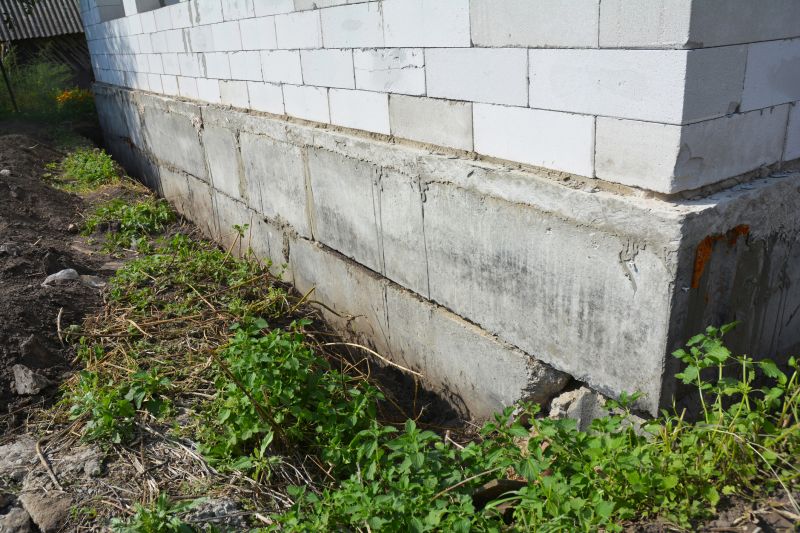 Foundation repairs are a critical aspect of maintaining the structural integrity of a building, especially in regions like Saint Paul, MN, where soil conditions and weather patterns can influence foundation stability. When considering foundation repair products, it is essential to understand the variety of solutions available to address different types of issues, such as settling, cracking, or shifting. These products are designed to reinforce, stabilize, or lift the foundation, helping to prevent further damage and preserve the safety of the structure.
Top Overall Option
Polyurethane Injection Systems
Polyurethane injection systems are versatile and widely used for addressing small to moderate foundation cracks and voids. They expand upon application to fill gaps and stabilize the surrounding soil, providing a minimally invasive solution that can be applied quickly. These systems are suitable for sealing cracks and preventing water intrusion, making them a popular choice for many property owners seeking a reliable repair method.
Types of Products For Foundation Repairs
Carbon Fiber Reinforcement Straps
Used to reinforce cracked or bowing walls, these straps add tensile strength and help prevent further movement.
Concrete Piers and Push Piers
These systems lift and stabilize sinking foundations by transferring weight to stable soil or bedrock.
Helical Piles
Deep foundation supports that are screwed into the ground to provide additional stability, especially in poor soil conditions.
Mudjacking and Slab Jacking
A method for lifting sunken concrete slabs using a slurry mixture to fill voids beneath the slab.
Epoxy Crack Fillers
Used to seal small cracks and prevent water infiltration, restoring integrity to cracked concrete surfaces.
Soil Stabilization Grouts
Injectable materials that improve soil strength and reduce shifting beneath the foundation.
Steel Push Piers
Heavy-duty supports driven into the ground to lift and stabilize foundations experiencing significant settling.
Underpinning Systems
A comprehensive approach to reinforce and stabilize the foundation, often involving multiple support elements.
Polyurethane Foam Injection
Expanding foam used to fill voids and lift settled slabs or foundation sections.
Waterproofing Membranes
Applied to basement walls to prevent water intrusion and reduce hydrostatic pressure.
Drainage Systems
Improved drainage solutions to redirect water away from the foundation and reduce soil erosion.
Foundation Bolts and Anchors
Hardware used to secure framing to the foundation and reinforce structural connections.
Grout and Mortar Patches
Materials for repairing cracks and filling small voids in concrete surfaces.
Soil Moisture Control Devices
Systems like dewatering or moisture barriers to maintain soil consistency around the foundation.
Vibration and Compacting Equipment
Tools used during underpinning or soil stabilization to ensure proper compaction and support.
Popular Choices
A common choice for filling voids and lifting slabs, appreciated for its quick application and minimal disruption.
Frequently selected for strengthening cracked basement walls and preventing further cracking.
Often used for stabilizing severely settling foundations with deep support systems.
Popular for restoring levelness to uneven concrete slabs around the property.
Widely used for sealing small cracks in concrete and preventing water leaks.
Chosen for their ability to provide deep support in challenging soil conditions.
Commonly installed to protect basement walls from water ingress.
Often implemented to manage water flow and reduce foundation stress.
Used to secure framing and stabilize structures affected by shifting or cracking.
Preferred for improving soil conditions beneath foundations in unstable areas.
Utilized during underpinning to ensure proper soil compaction and support.
Commonly selected for quick sealing of minor cracks in concrete surfaces.
Popular for maintaining proper drainage and moisture levels around foundations.
In practice, foundation repair products range from simple crack fillers to complex underpinning systems. The selection of appropriate materials depends on the severity of the problem, the underlying soil conditions, and the type of foundation involved. Proper installation and quality materials are vital to ensure long-lasting results. It is recommended to consult with a foundation specialist to assess the specific needs of your property in Saint Paul, MN, before choosing a product or system.
Many repair solutions are designed for DIY application, offering convenience and cost savings, while others require professional expertise. Understanding the differences between these options can help homeowners and contractors make informed decisions. Regular inspection and maintenance are also important to identify early signs of foundation issues and address them promptly using suitable products.
Overall, the right foundation repair products can significantly contribute to the stability and safety of a building. Whether dealing with minor cracks or major structural shifts, selecting high-quality, appropriate materials is essential for effective repairs. Staying informed about the latest products and methods can help property owners in Saint Paul, MN, maintain the longevity of their structures and avoid costly future repairs.
Key Buying Considerations
- Assess the severity and type of foundation issue to determine appropriate repair solutions.
- Consider the soil conditions and how they influence the choice of stabilization or lifting systems.
- Evaluate the compatibility of repair products with existing foundation materials.
- Determine whether a DIY approach is feasible or if professional installation is recommended.
- Review the long-term durability and maintenance requirements of the selected products.
- Ensure products are suitable for the specific foundation type, such as basement, slab, or crawl space.
- Check for compliance with local building codes and standards in Saint Paul, MN.
- Consider the potential impact on property value and structural safety.
- Look into the manufacturer's reputation and the availability of support or warranties.
- Evaluate the ease of installation and whether specialized tools or expertise are necessary.
- Estimate the total cost, including materials, labor, and potential future repairs.
- Understand the environmental conditions that may affect product performance, such as moisture levels.
- Consider the timeline for repairs and how the selected products fit into your schedule.
- Review customer feedback and case studies related to similar foundation issues.
- Consult with a foundation specialist to verify the best product choices for your specific situation.